Allure Luxe Travel emblem AllureLuxe Travel

Escapes

Safaris

Untamed beauty, effortlessly yours.

The Escape

There is a particular quality of quiet that settles over the bush at first light: engines off, coffee in hand, the horizon still deciding what it wants to be. You come for the animals, but what stays with you is the pace: dawn drives, long unhurried lunches, evenings that end honestly early. We design journeys across six of the continent's most storied landscapes, from the plains of the Serengeti to the misted forests of Rwanda, each chosen for the calibre of guiding and the privacy of the camps rather than proximity to an airstrip. Every itinerary is built around when the wildlife will actually be there, not when it is convenient to fly.

Serengeti, Tanzania
01 Serengeti, Tanzania

The greatest show on earth

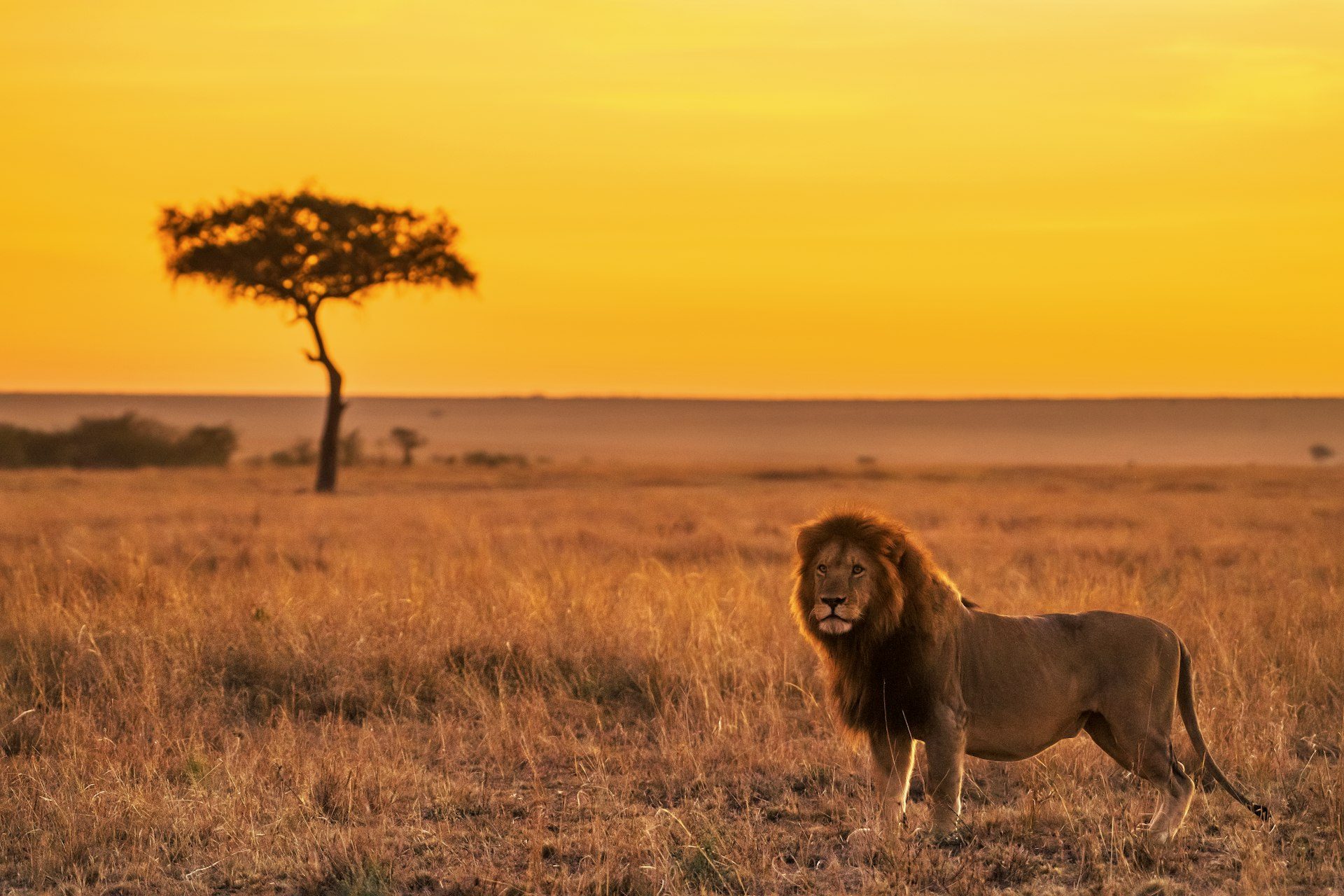
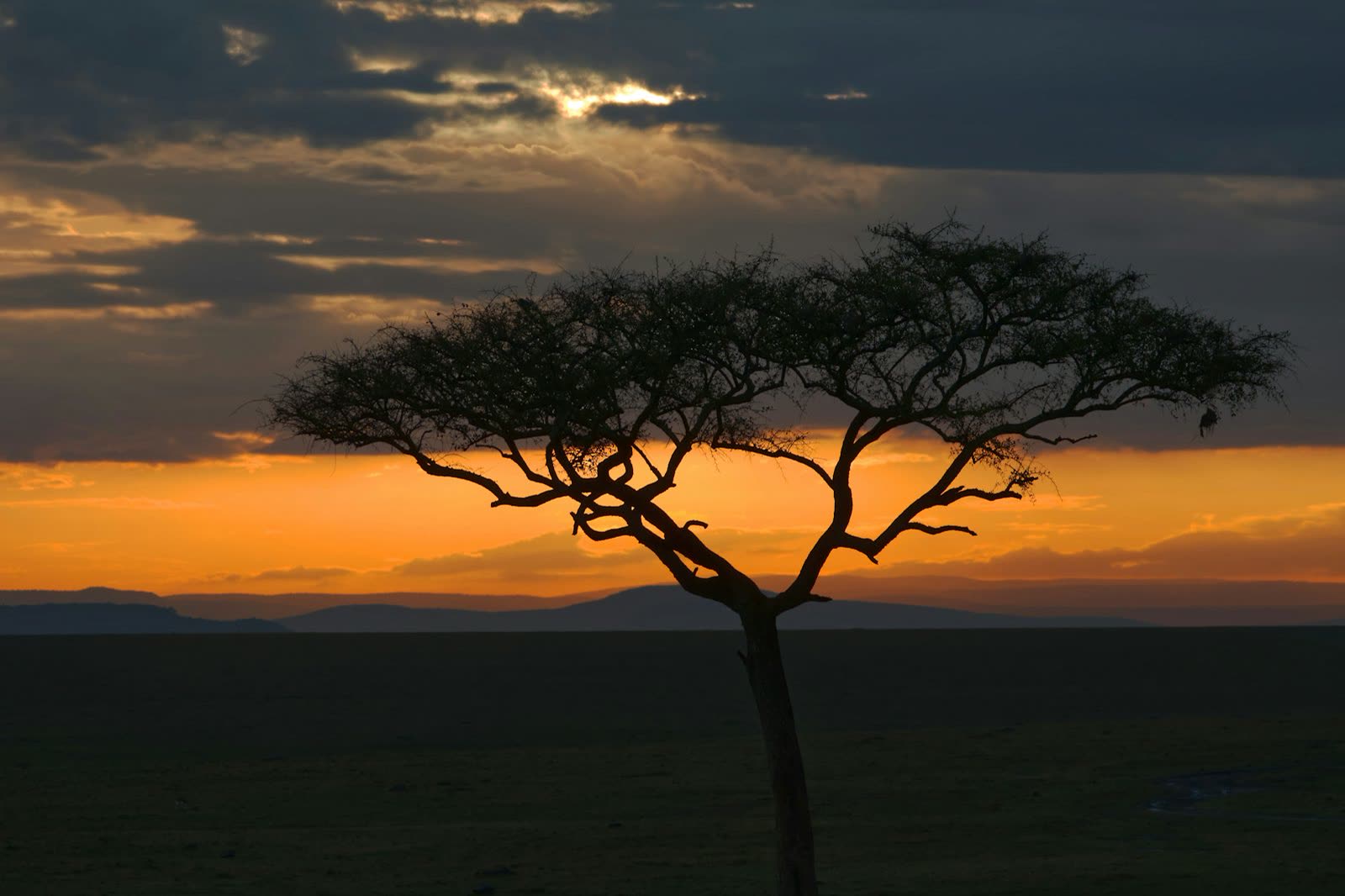
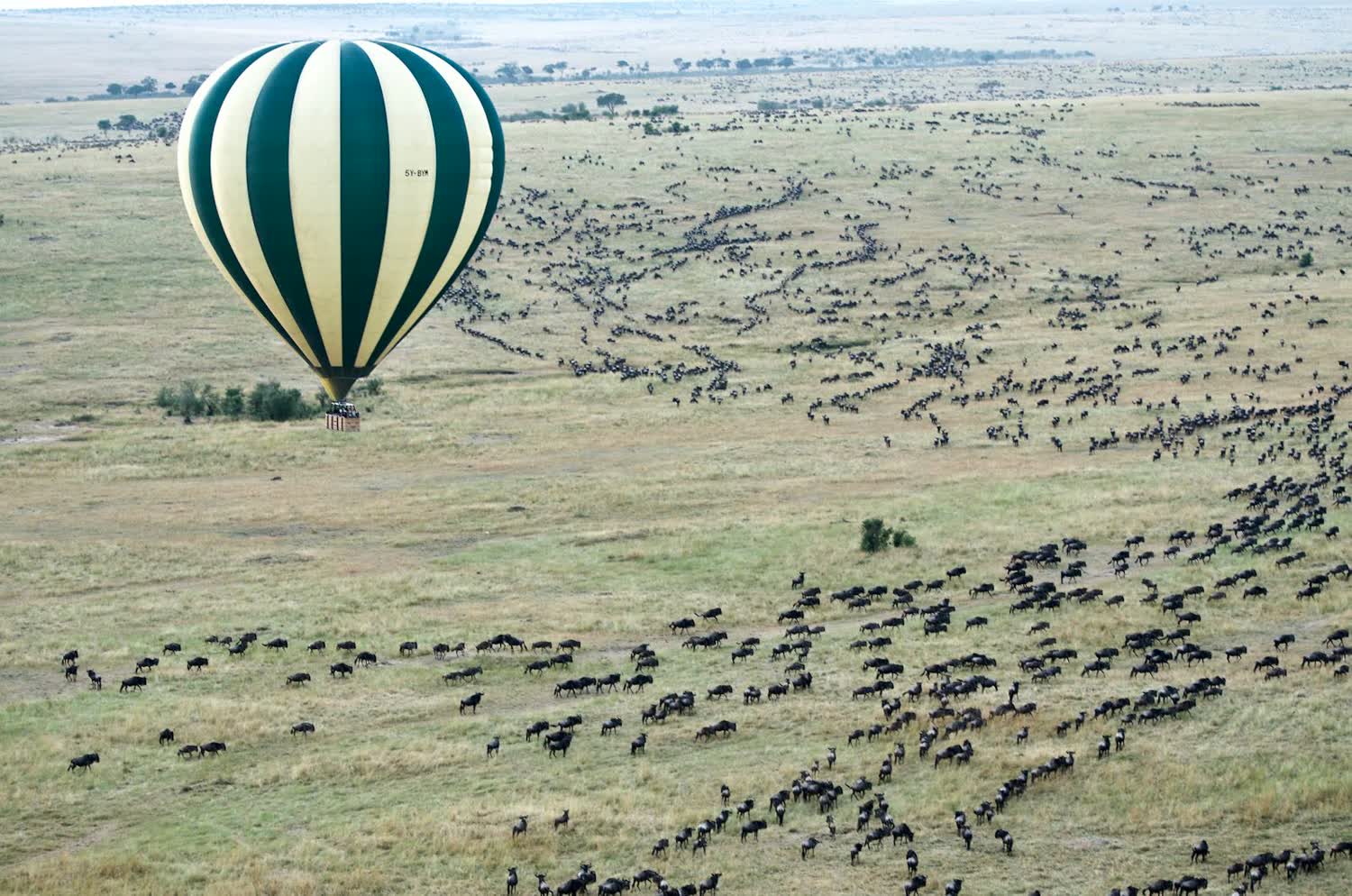
Days in the Serengeti move with the light: an early departure while the plains are still cool and pink, a long unhurried middle when the bush goes quiet, and a golden hour that turns everything the colour of the grass itself. This is Africa at its most cinematic: endless horizon, acacia silhouettes, and if you time it right, the wildebeest herds moving in their hundreds of thousands. Stays lean towards classic canvas: spacious private tents with proper beds, set far enough apart that the only sounds at night are the ones the bush makes.

Good to knowCalving peaks in February; Mara River crossings are most likely August into September. The herds keep their own timetable.

Design this journey
Rwanda
02 Rwanda

An hour with the gorillas

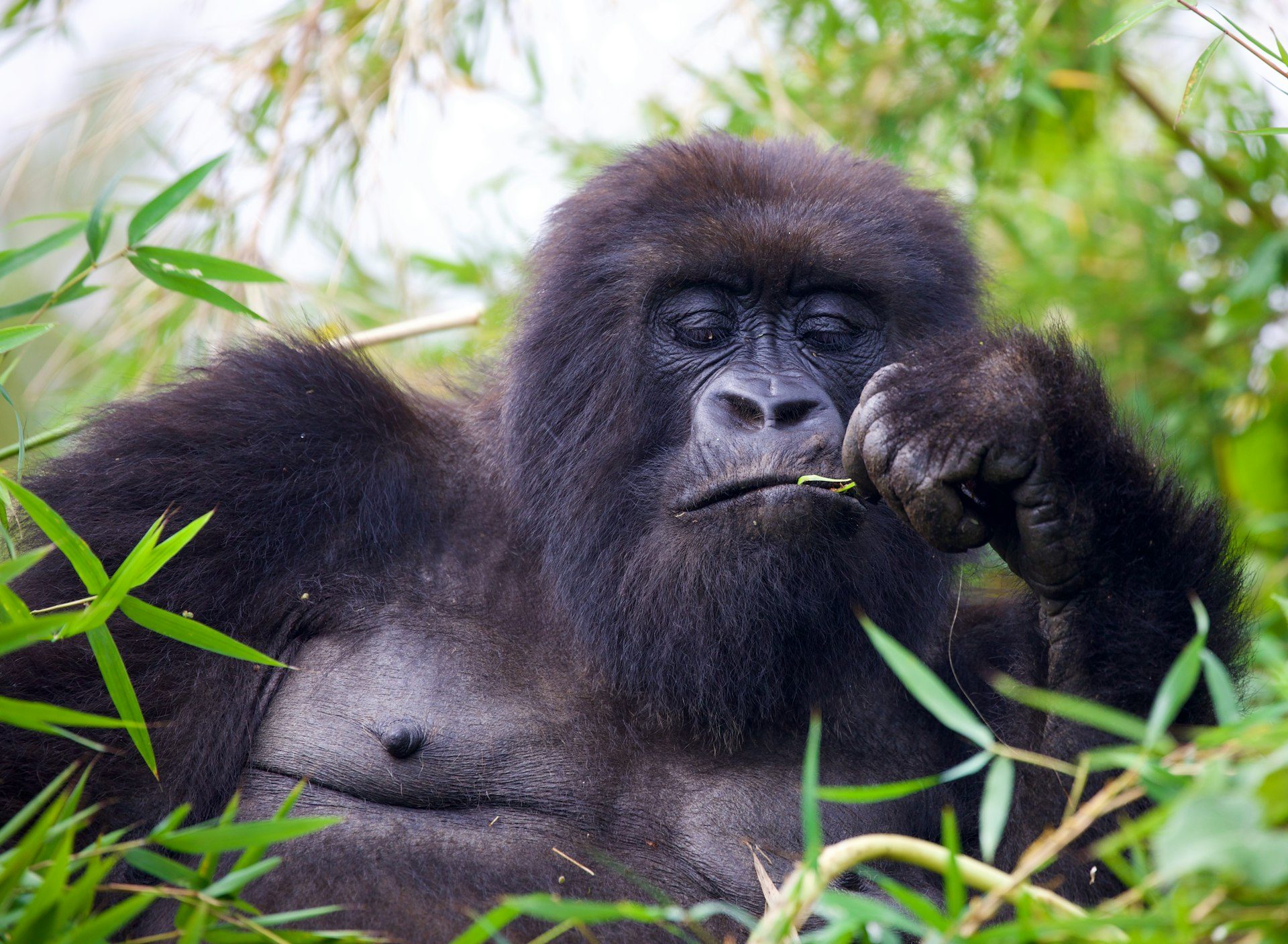
A trek into Volcanoes National Park is unlike anything else on this list: bamboo forest, volcanic mud underfoot, and then, without much warning, a family of mountain gorillas going about an entirely unbothered morning a few metres away. The walk can run from under an hour to several, depending on where the trackers find them that day, so it suits people who do not mind surrendering the itinerary. Stays favour a handful of intimate lodges in the foothills, all fireplaces and volcano views, designed for winding down after a properly physical day.

Good to knowBest June to September and December to February. Daily permits are strictly limited and the trek demands real fitness, often at altitude.

Design this journey
Masai Mara, Kenya
03 Masai Mara, Kenya

Big cat country

The Mara has a different rhythm to its Tanzanian neighbour: shorter distances between sightings, a density of predators that can feel almost implausible, and, for a few weeks each year, the spectacle of the herds crossing the river itself, all tension and noise and waiting crocodiles. Outside migration season this is still one of the most reliable big cat destinations anywhere, with resident lion prides and leopards grown used to vehicles. Stays range from classic tented camps along the river to contemporary suites built to let you watch the plains from your veranda.

Good to knowJuly to October for the migration, via Nairobi and a short bush flight. Peak weeks are not a solitary-wilderness experience.

Design this journey
Namibia
04 Namibia

Silence on a planetary scale

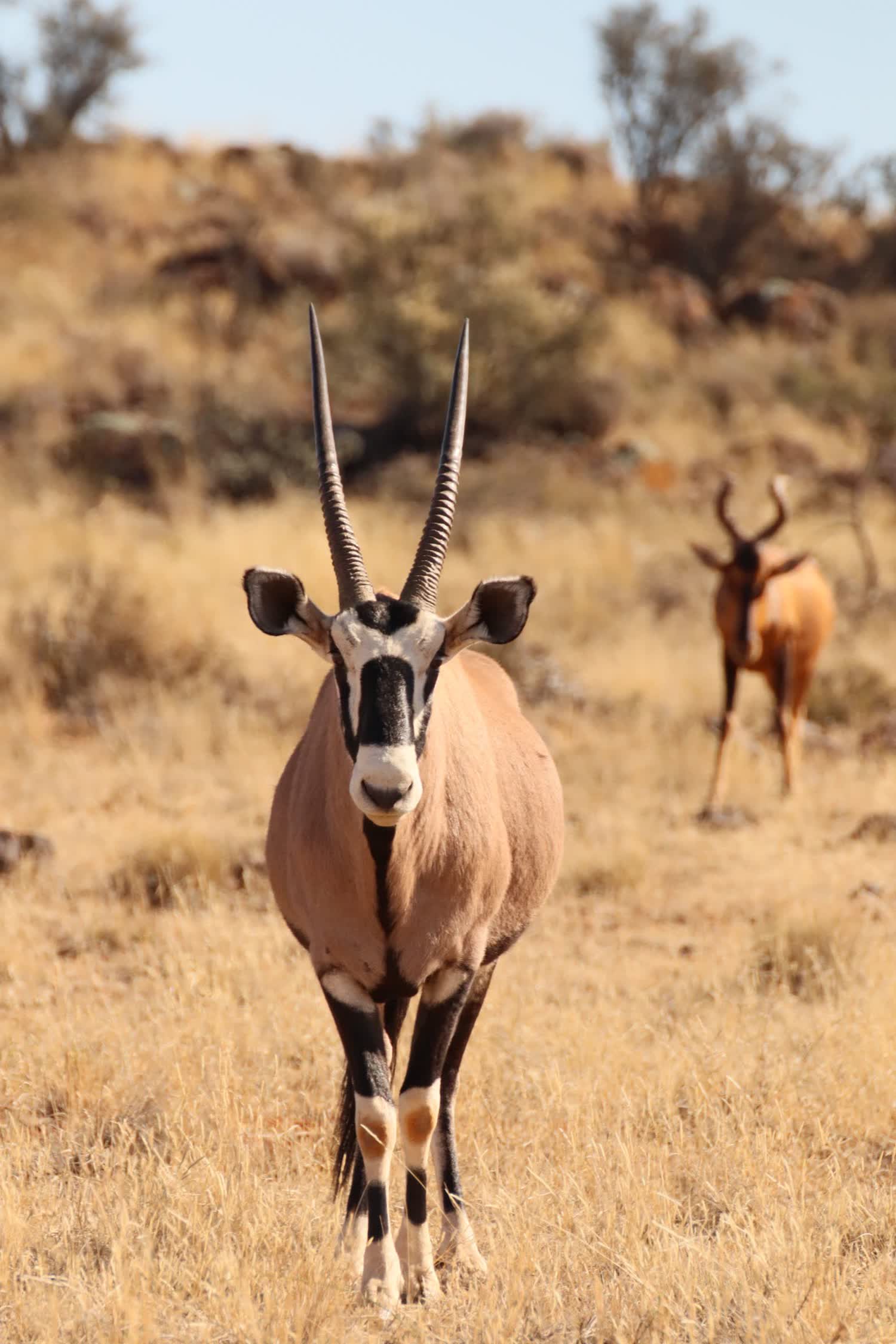
Namibia rewards patience with scale: days spent moving through some of the emptiest, most dramatic landscapes on the continent, towering red dunes, bone-dry riverbeds, a night sky with almost no competing light for hundreds of kilometres. Wildlife gathers around what little water exists, which means waterhole sightings that can feel almost staged in their drama, elephants and rhino arriving out of the dust from nowhere. Stays tend towards exceptional desert lodges, thick-walled and unfussy, built to disappear into the landscape rather than dominate it.

Good to knowBest May to October, driest July to September. Distances are vast, so fewer stops beats a packed itinerary.

Design this journey
Okavango Delta, Botswana
05 Okavango Delta, Botswana

A desert turned to water

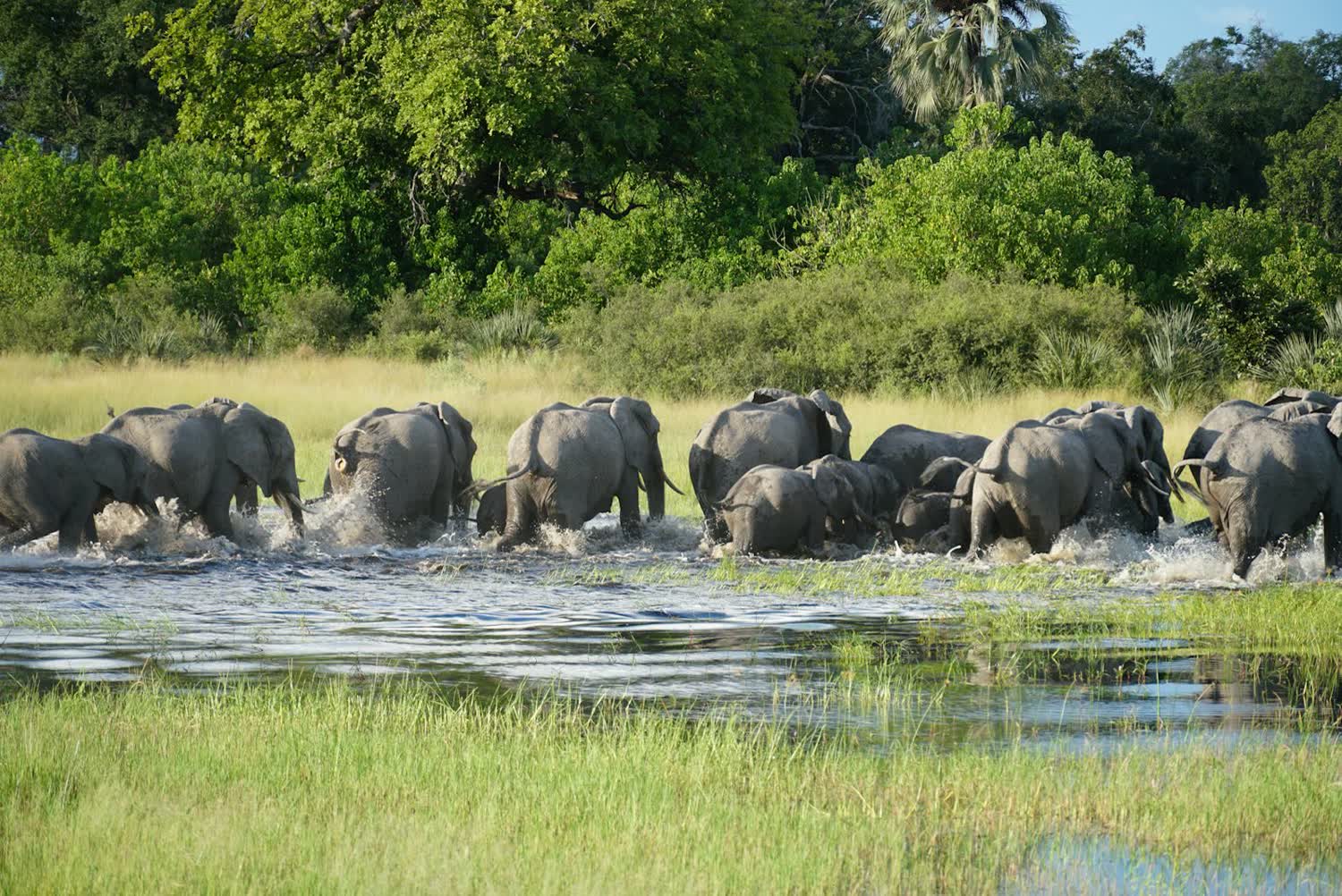
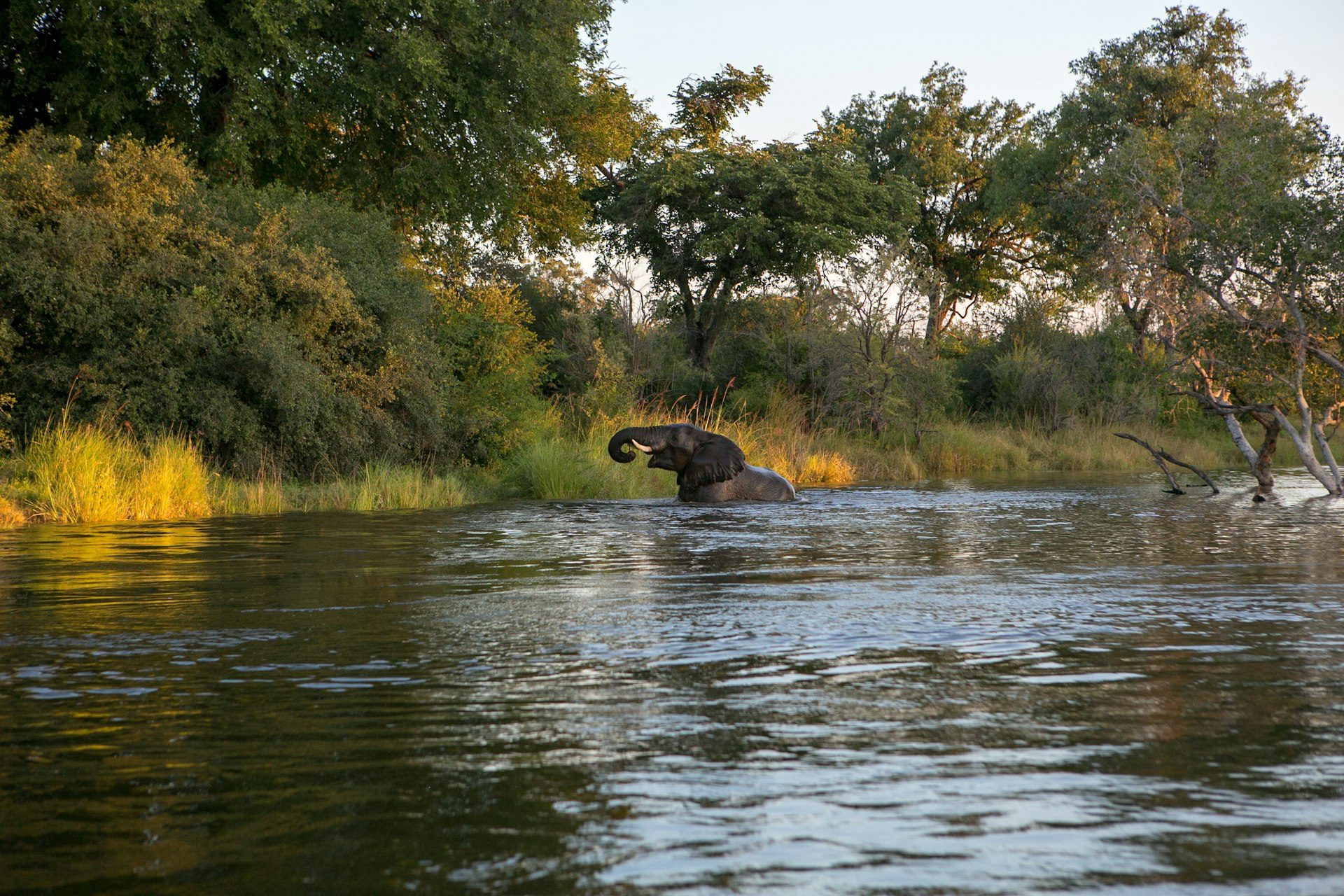
The Delta works on its own strange logic: floodwater that fell as rain in Angola months earlier arrives here in the dry season, turning dust back into channels and lagoons just as the rest of the region is at its driest. Days alternate between game drives on dry ground and silent mornings poled through the reeds in a mokoro, herons lifting off ahead of you, elephants wading between islands. Stays are intimate and fly-in only: a small number of thatched suites raised on decking above the water, reached by light aircraft rather than any road.

Good to knowBest June to September when the flood is high, reached by light aircraft only. Water levels, and the mix of activities, vary by year.

Design this journey
Sabi Sands, South Africa
06 Sabi Sands, South Africa

Leopards, then plunge pools

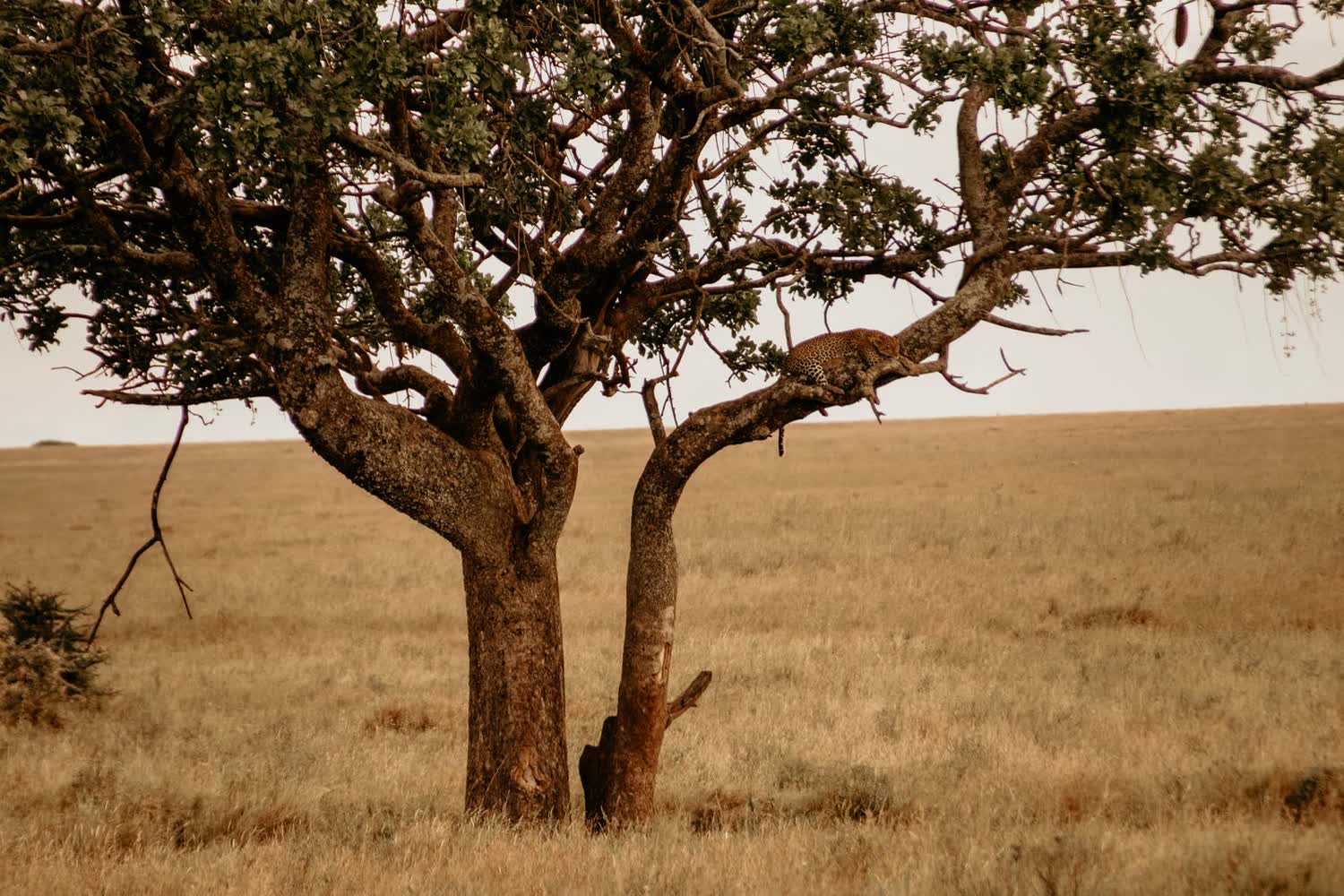
Sabi Sands is the destination for people who want the drama of safari without giving up on comfort: unfenced land bordering Kruger, exceptional trackers, and a reputation for leopard sightings that is, if anything, understated. Days settle into a rhythm of pre-dawn drives, a long lazy middle at the lodge, and a second drive as the light softens, often ending with dinner under the stars. Stays are polished and personal: small lodges and private suites with plunge pools and butlers, built for total ease after two drives a day in the bush.

Good to knowBest May to September, with August and September strongest for predators, a short bush flight from Johannesburg. Winter dawn drives are genuinely cold.

Design this journey
Ngorongoro Crater, Tanzania
07 Ngorongoro Crater, Tanzania

The crater that never empties

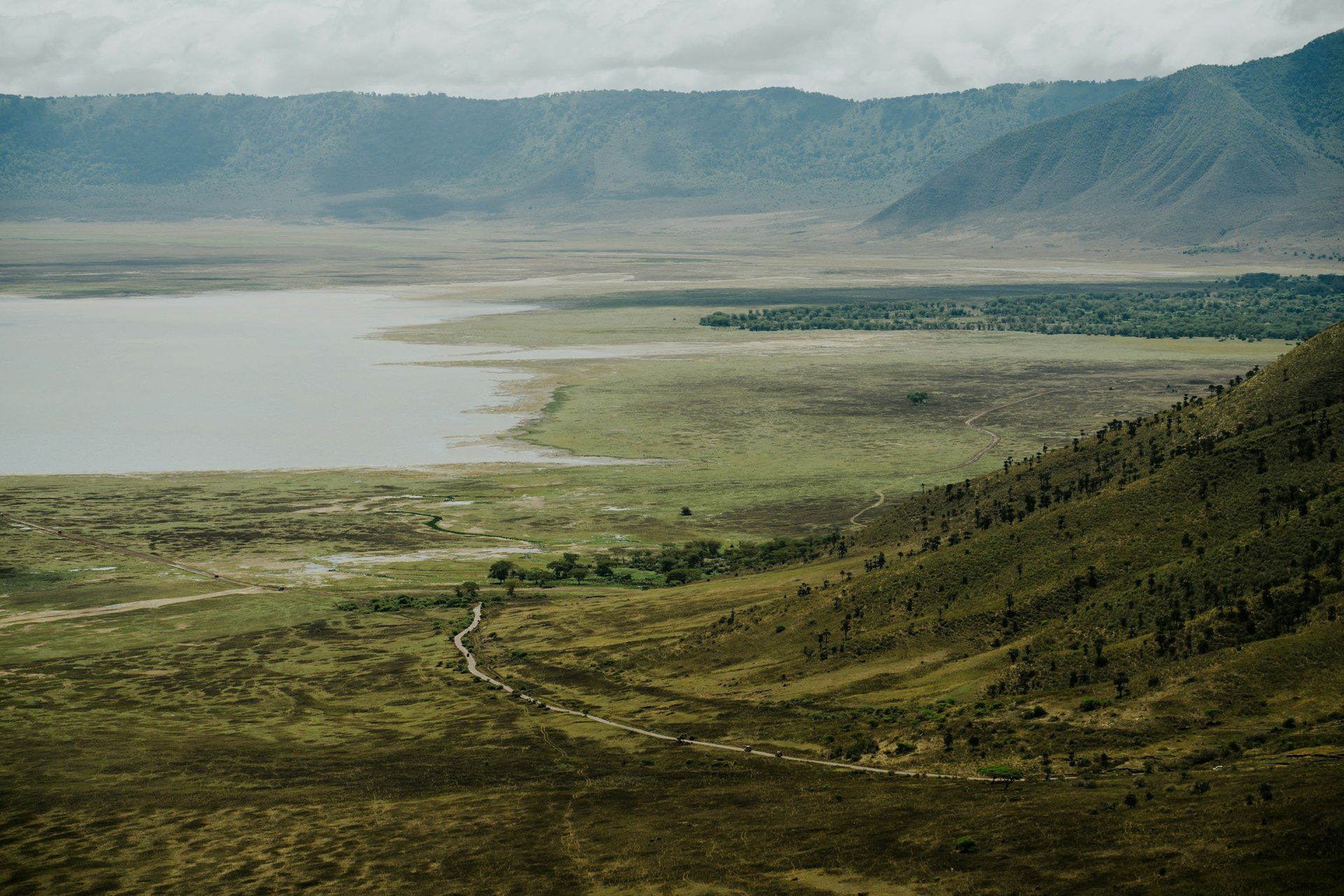
Ngorongoro is unlike anywhere else on safari: a collapsed volcanic caldera holding an entire ecosystem within its walls, dense enough with wildlife that game drives descend at dawn and rarely need to search for long. Lion, elephant, hippo and the last free-ranging black rhino share a single, self-contained floor ringed by forest and grassland. Days begin early, down the crater rim while mist still clings to the walls, with lodges perched along the edge for views that stretch across the whole bowl at sunset. The animals here do not migrate, so the crater delivers in almost any month.

Good to knowStrong sightings year-round, since the wildlife never leaves. Vehicle numbers can feel busy at the famous viewpoints in the June to October dry season.

Design this journey
South Luangwa, Zambia
08 South Luangwa, Zambia

The safari best done on foot

South Luangwa is where the modern walking safari began, and it remains the benchmark: a guide and an armed scout leading small groups on foot through mopane woodland and along the Luangwa River, reading tracks and reading the wind rather than watching from a vehicle. Days move at a different pace here, an early departure while the air is still cool, a slow approach to whatever the bush reveals, and a mid-morning stop for tea somewhere with a view. Camps are simple and unfenced, some seasonal and rebuilt each year, kept deliberately close to the animals.

Good to knowWalking safaris run June to October, when dry ground and thinned bush make foot access safe. The wet season closes many camps entirely.

Design this journey

In the bush, luxury is measured in guiding, in privacy, and in the distance to the next vehicle.

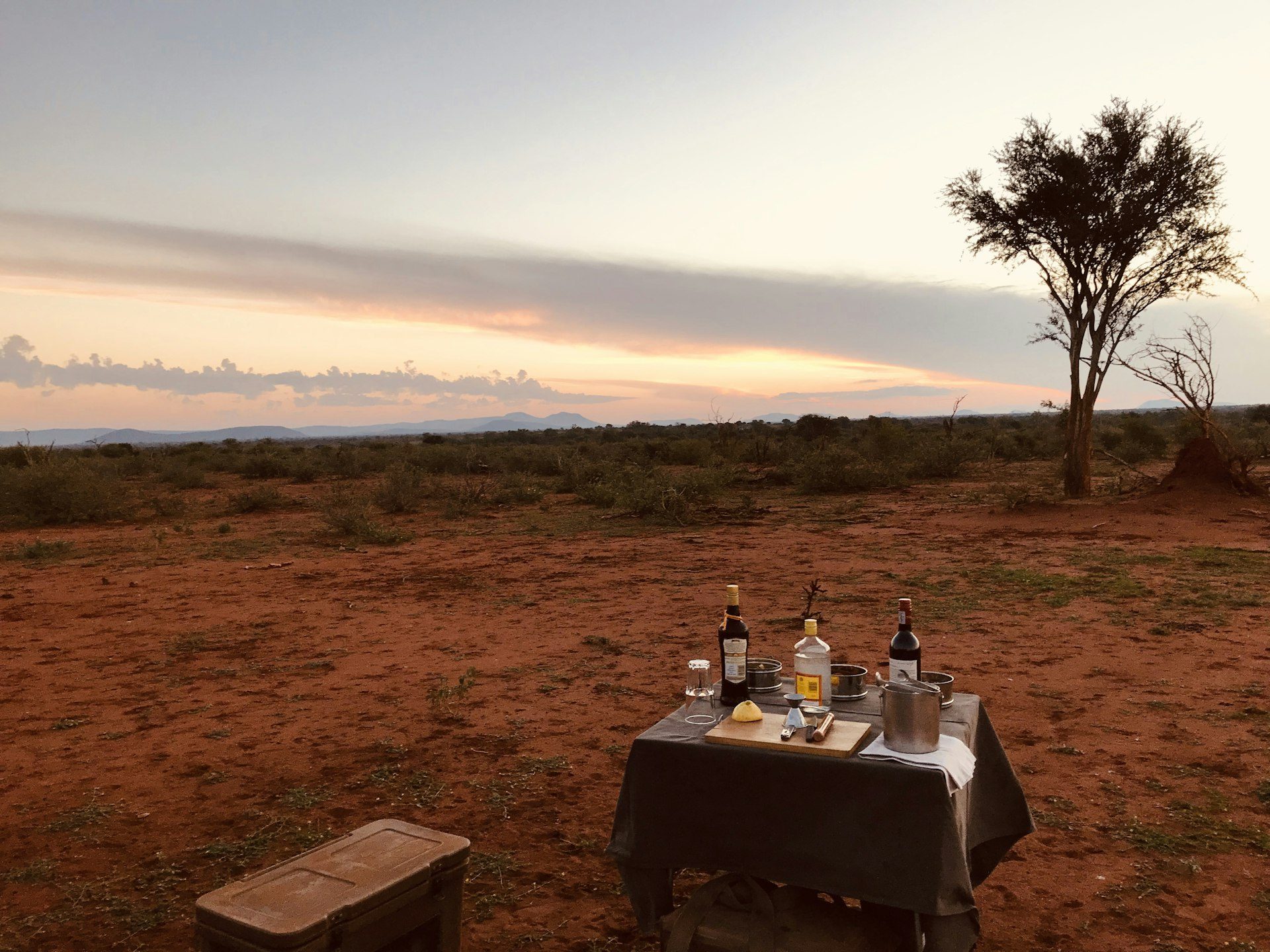
A safari sundowner as the light goes gold
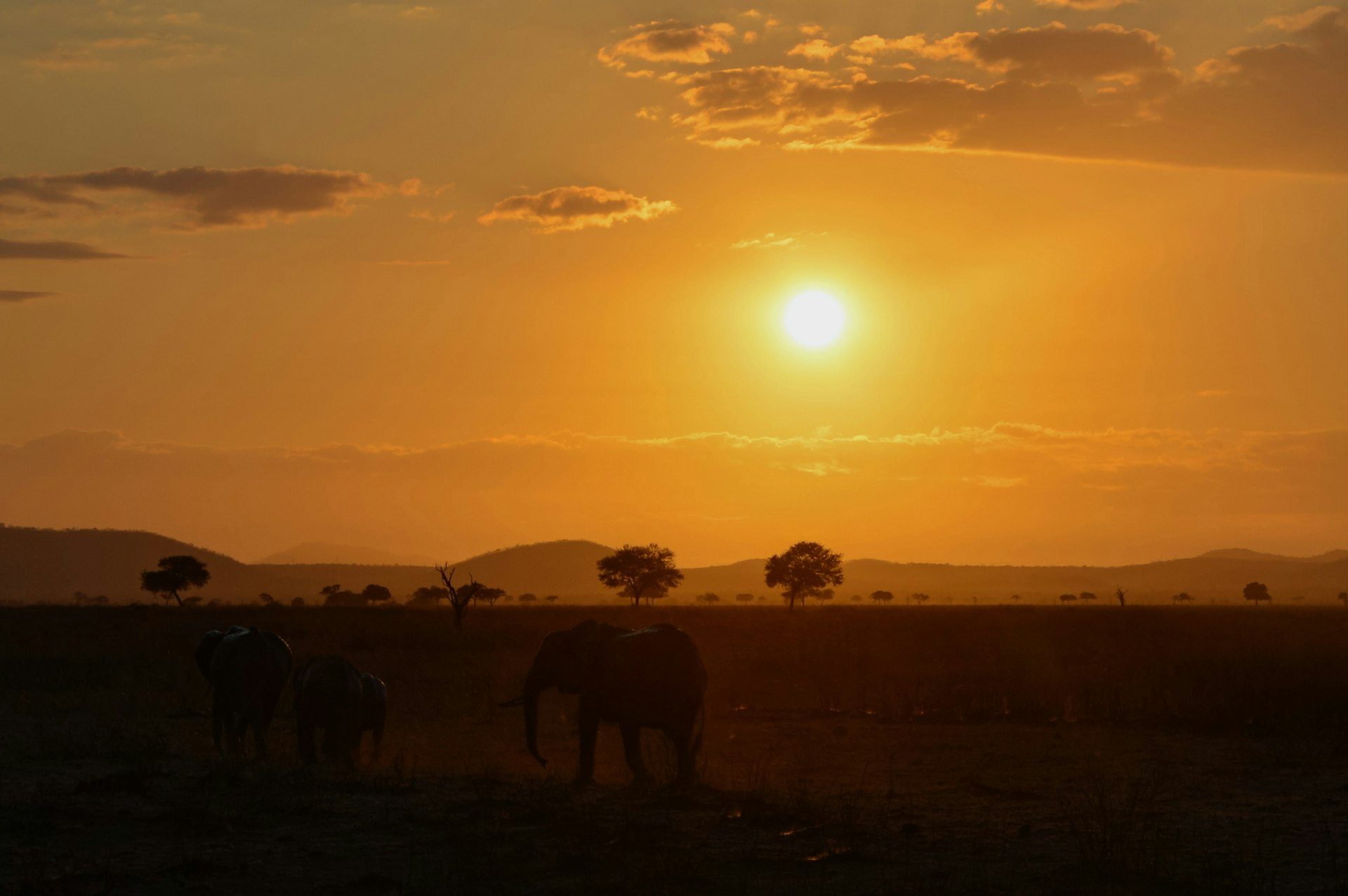
Wildlife at golden hour on the savannah
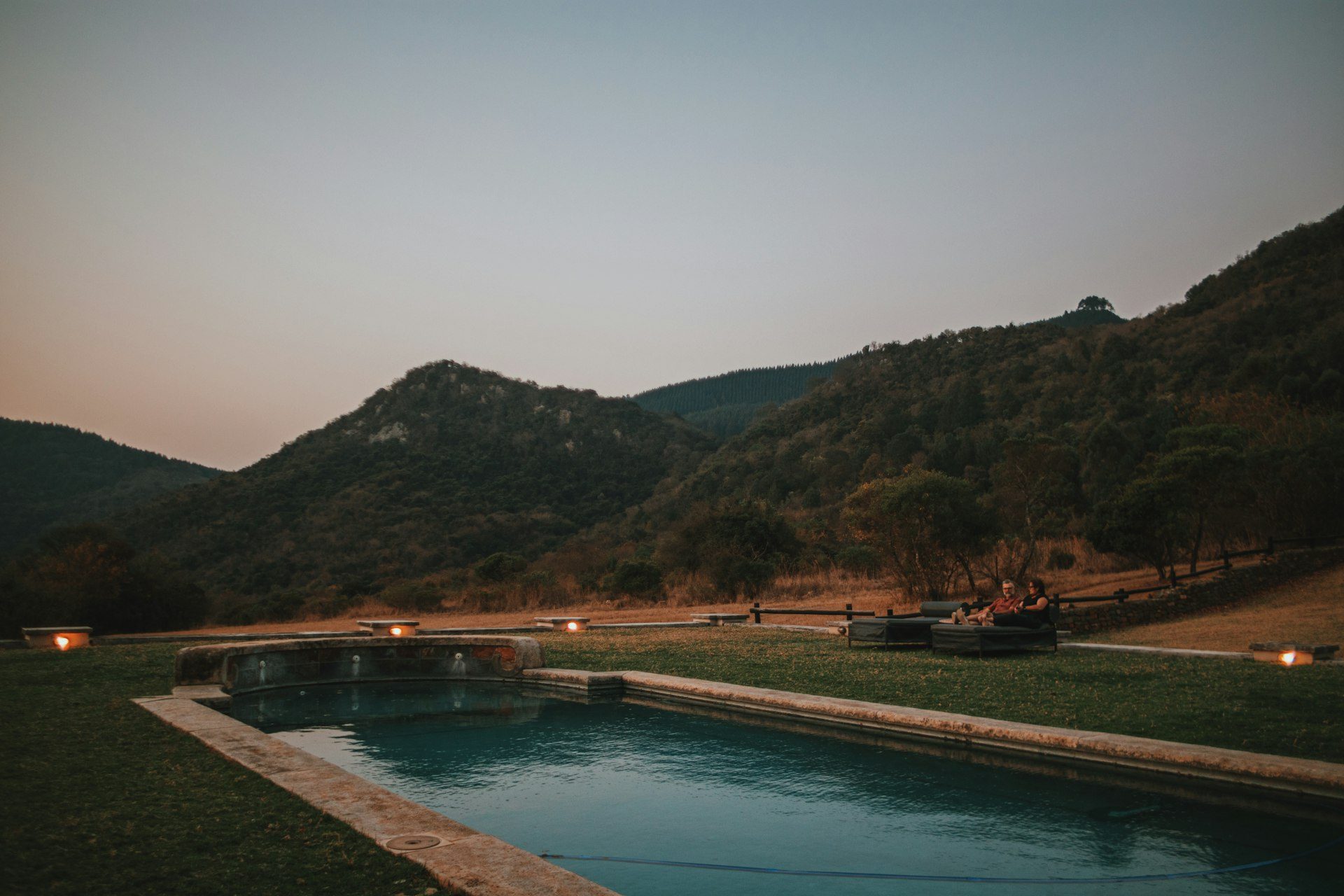
A lantern-lit safari camp at dusk
A lioness in golden light
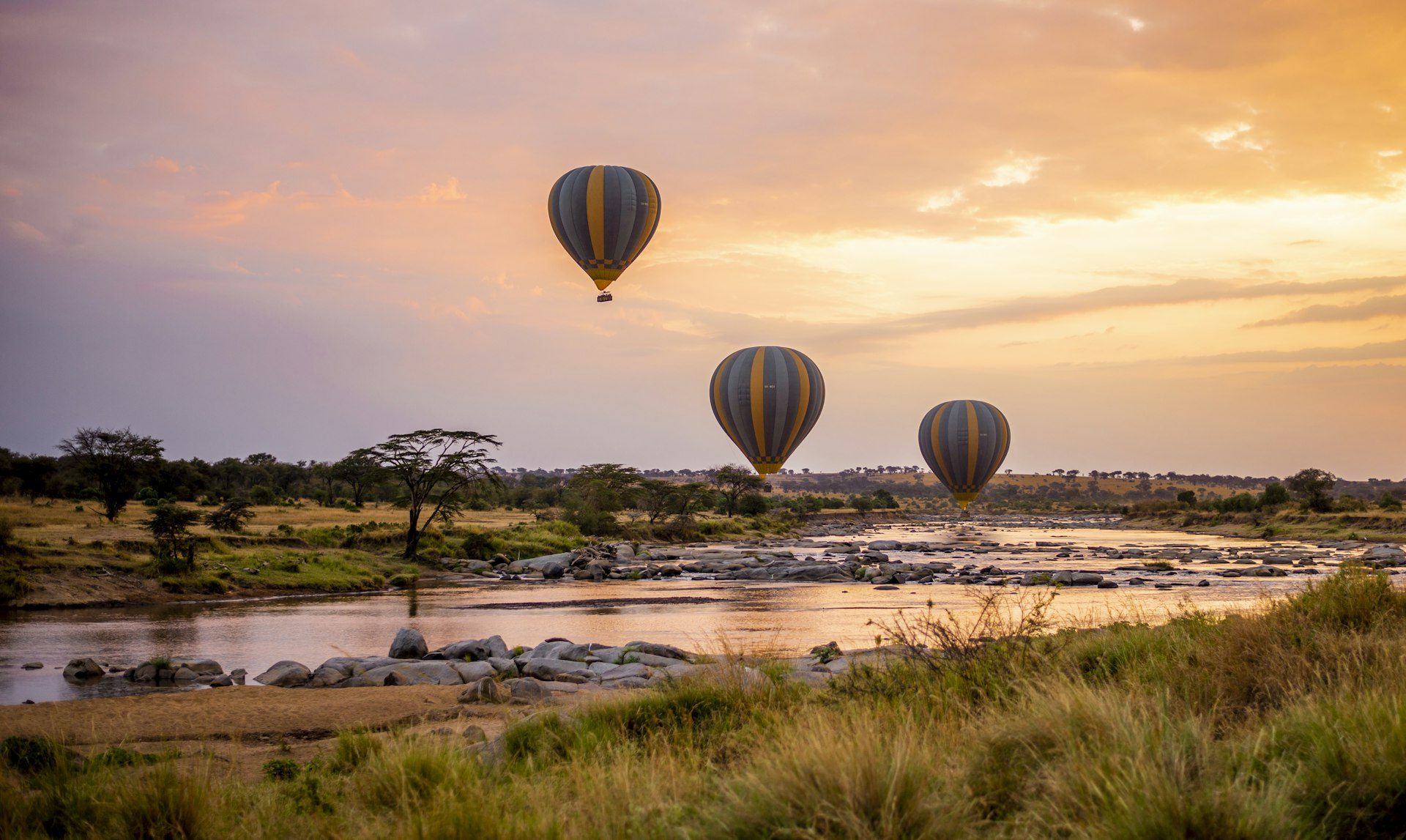
A balloon drifting over the plains at dawn
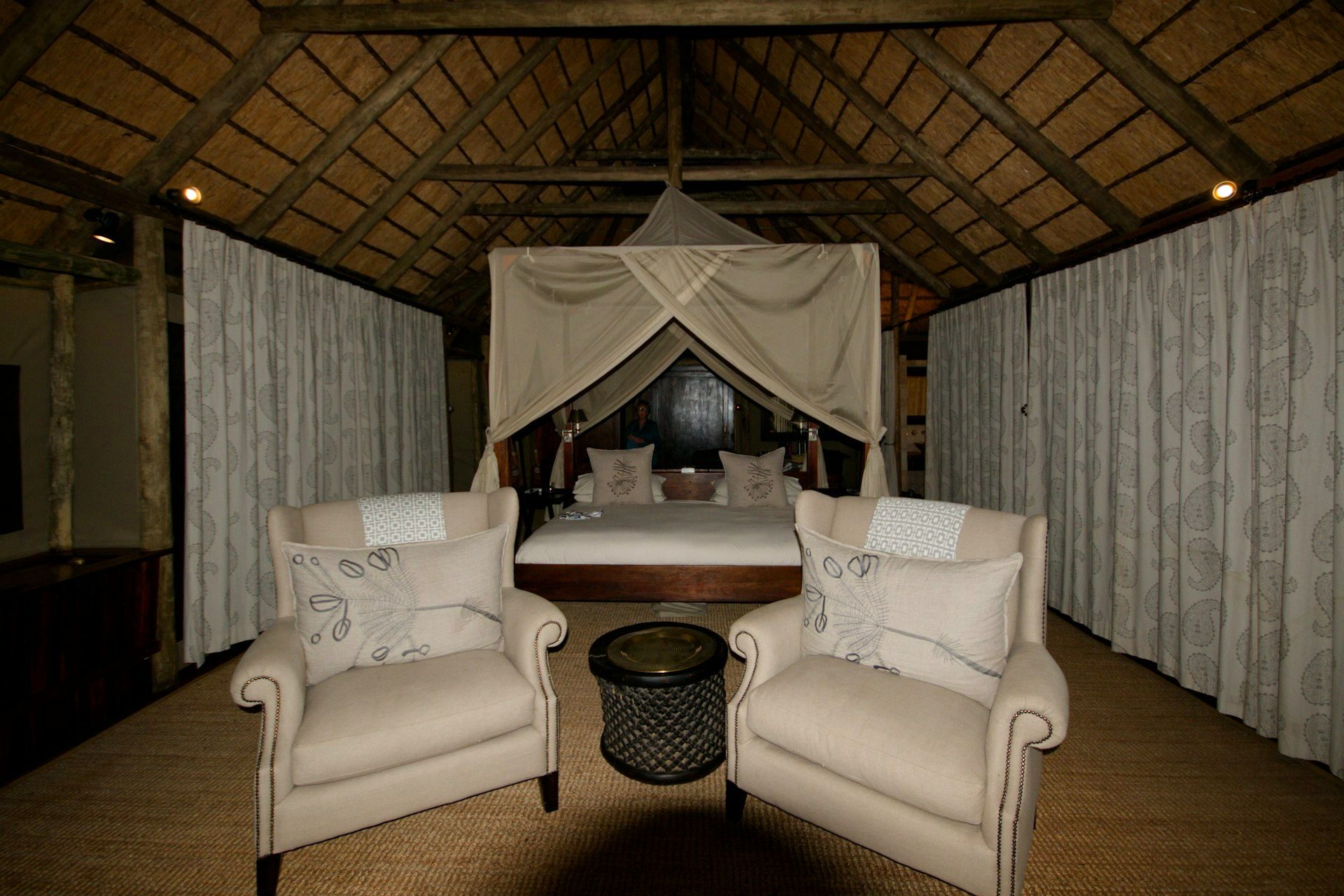
Inside a thatched safari lodge suite

Good to know

How far in advance should we plan a safari?

For peak periods, gorilla trekking in Rwanda and the July to September migration season, twelve months ahead is sensible, particularly for permits and the more intimate camps. For shoulder seasons, and for Namibia or Botswana, six to nine months usually gives good choice without the pressure of the busiest windows.

Is safari suitable for children?

It depends on the camp and destination rather than safari as a whole. Many properties in the Mara and Sabi Sands welcome families and can tailor drives accordingly, while gorilla trekking in Rwanda has a minimum age of fifteen. We match destination and camp to the ages of your children rather than assume one rule fits all.

Do we need to worry about malaria or vaccinations?

Most of these destinations sit within malaria areas, and a yellow fever certificate is required for some cross-border itineraries. We always recommend confirming current health guidance with your GP or a specialist travel clinic well before departure, since requirements vary by country and by season.

From the Journal

Safari, answered

Read the piece
Personal travel designer Every detail booked & confirmed With you 24/7 while you travel

Enquiries

Ready when you are

Tell us the feeling you're after and we'll design the journey around it. No obligation, just first thoughts from a travel expert.

Start planning