
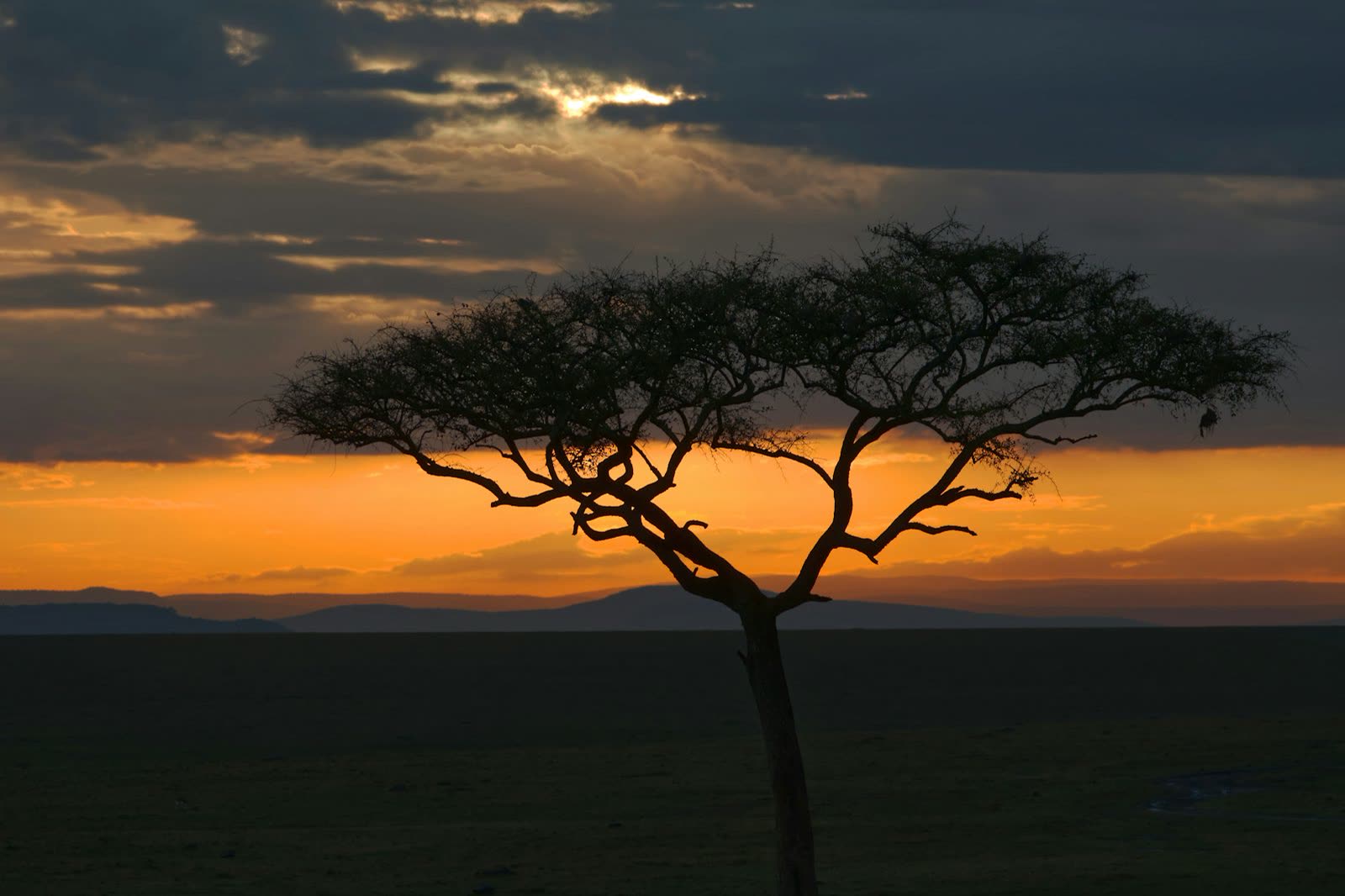
Safari is one of the most rewarding trips a first timer can take, and one of the most over-explained, full of jargon about migrations and game drives that assumes knowledge nobody starts out with. The honest answers are simpler than the marketing suggests. Here is what actually matters: when to go and where, how a camp differs from a hotel, what a day genuinely looks like, and why the person driving the vehicle matters more than almost anything else on the trip.
When to go, and where
Timing depends entirely on which half of the continent is in question, and the two do not run on the same clock. East Africa, Kenya and Tanzania, has a dry season from roughly June to October, when thinning vegetation and shrinking water sources concentrate wildlife around predictable places, and a wetter, greener season from November to May that brings newborn animals and lower rates. The wildebeest migration threads through this calendar rather than following it exactly: calves are born in the southern Serengeti between December and March, herds move north from April, and the famous Mara River crossings tend to happen from late July into September, before the herds turn south again in October and November. Southern Africa, Botswana and South Africa in particular, runs on a similar but distinct dry season from May to October, with June to August offering the most comfortable temperatures and the lowest malaria risk, and August to October producing the most dramatic, concentrated game viewing of the year.
Camps, not hotels
The biggest adjustment for a first-time safari traveller is realising that a camp is not a smaller, more remote hotel. Most luxury camps hold a handful of tents or suites, often under ten, built around a single shared area for meals and drinks rather than a lobby, a spa and three restaurants. There is no reception desk to browse past and no anonymity: guides and staff learn names within a day, meals are often taken together or timed around the day's activities rather than a fixed kitchen schedule, and the property empties out entirely at night while game drives happen. Many camps now include the amenities travellers associate with hotels, a pool, a spa treatment, a well stocked wine list, but they sit inside a much smaller, much more personal operation, one built around the rhythm of wildlife rather than the convenience of guests.
A brilliant guide in a simple camp will outlast a forgettable one in a beautiful tent in every traveller's memory.
A day on safari
Days follow a rhythm shaped by the animals, not the clock. Mornings start early, often before sunrise, because that is when wildlife is most active and the light is best, followed by a game drive of several hours, a stop for coffee or breakfast out in the bush, and a return to camp as the heat rises. The middle of the day is quiet: lunch, rest, time by the pool, because most animals are also resting through the hottest hours. A second game drive leaves in the late afternoon and often continues into the very start of dusk, sometimes ending with drinks watched over a waterhole or a plain, before dinner back at camp. It is a slower, more repetitive structure than most holidays, and that repetition, done well, is a large part of what people come back for.
Fitness, children and the real luxury
Physically, a standard safari asks very little: game drives are seated, the vehicle does the walking, and most days involve no more exertion than getting in and out of a Land Cruiser. Walking safaris and activities like hot air ballooning are the exception and typically carry their own minimum ages, often around twelve, alongside a basic level of fitness. Game drives themselves are more permissive: many camps set a minimum age of around six, though some family-focused or exclusive-use properties will happily host younger children with a private vehicle and a tailored schedule. What actually determines whether a safari is memorable, though, is rarely the thread count or the plunge pool. It is the guide: someone who can read a track, anticipate an animal's next move, and explain what is actually happening rather than simply pointing a vehicle at it. A brilliant guide in a simple camp will outlast a forgettable one in a beautiful tent in every traveller's memory.
Ready to turn reading into travelling?
Begin an enquiry